
Feeding requires precision
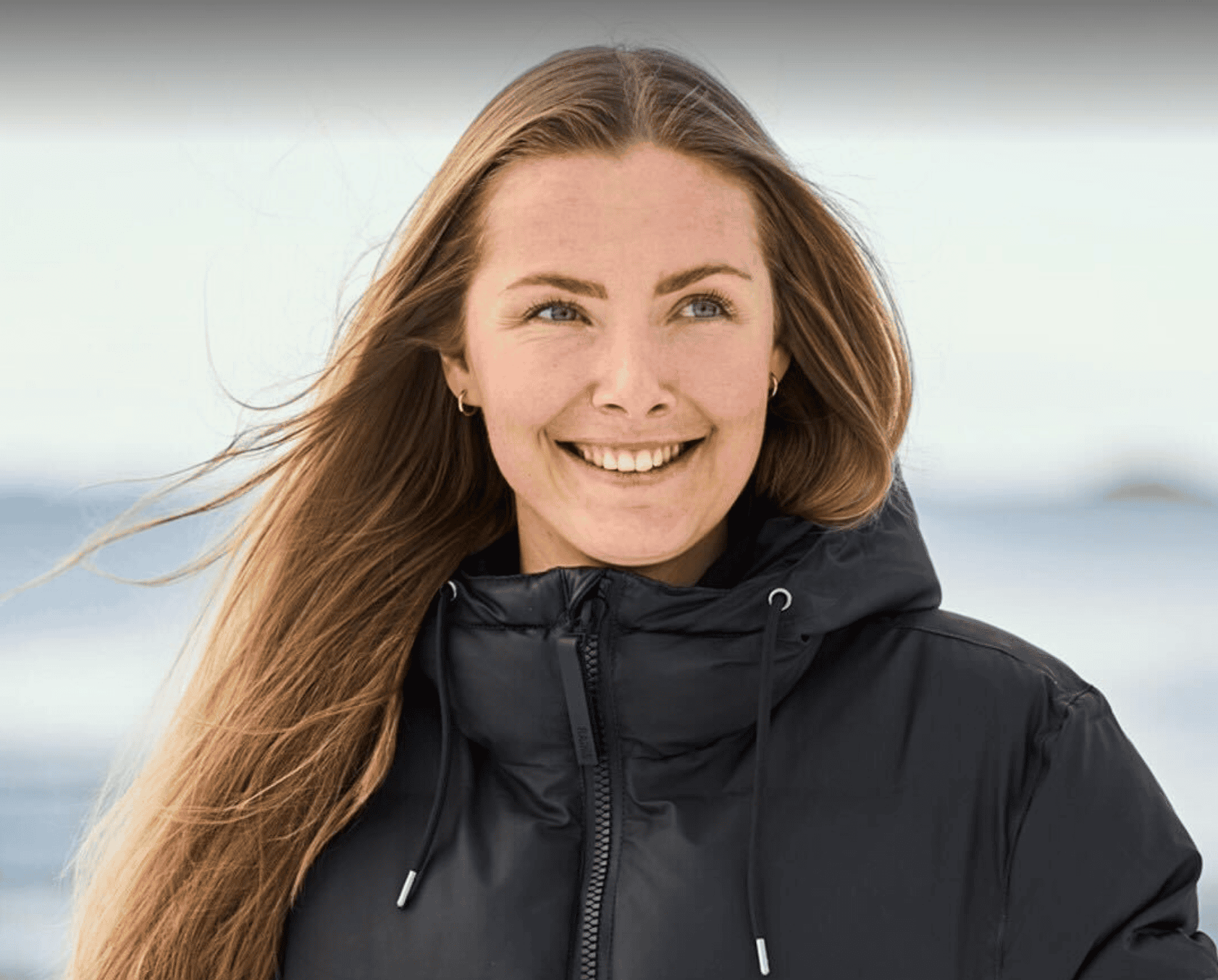
Feeding is one of the most important tasks in aquaculture – and one of the hardest to get exactly right. OptoScale is now strengthening its focus in this area, with Sigrid Venås joining the team. The goal is to connect real-time data more closely to the daily feeding work in the cage.
Bringing more data into feeding
Sigrid Venås joins OptoScale from the technology company Spillfree, where she worked with analysis and development related to feeding systems in aquaculture. She will now help strengthen OptoScale’s work on how real-time data can be used more actively in feeding operations out in the cages.
“There is great potential in using real-time data more intelligently in feeding. When data on weight, health, behaviour and lice can be connected more closely to feeding operations, it opens up for even more precise decisions in the cage. This type of technology is exactly what made me curious about OptoScale,” she says.
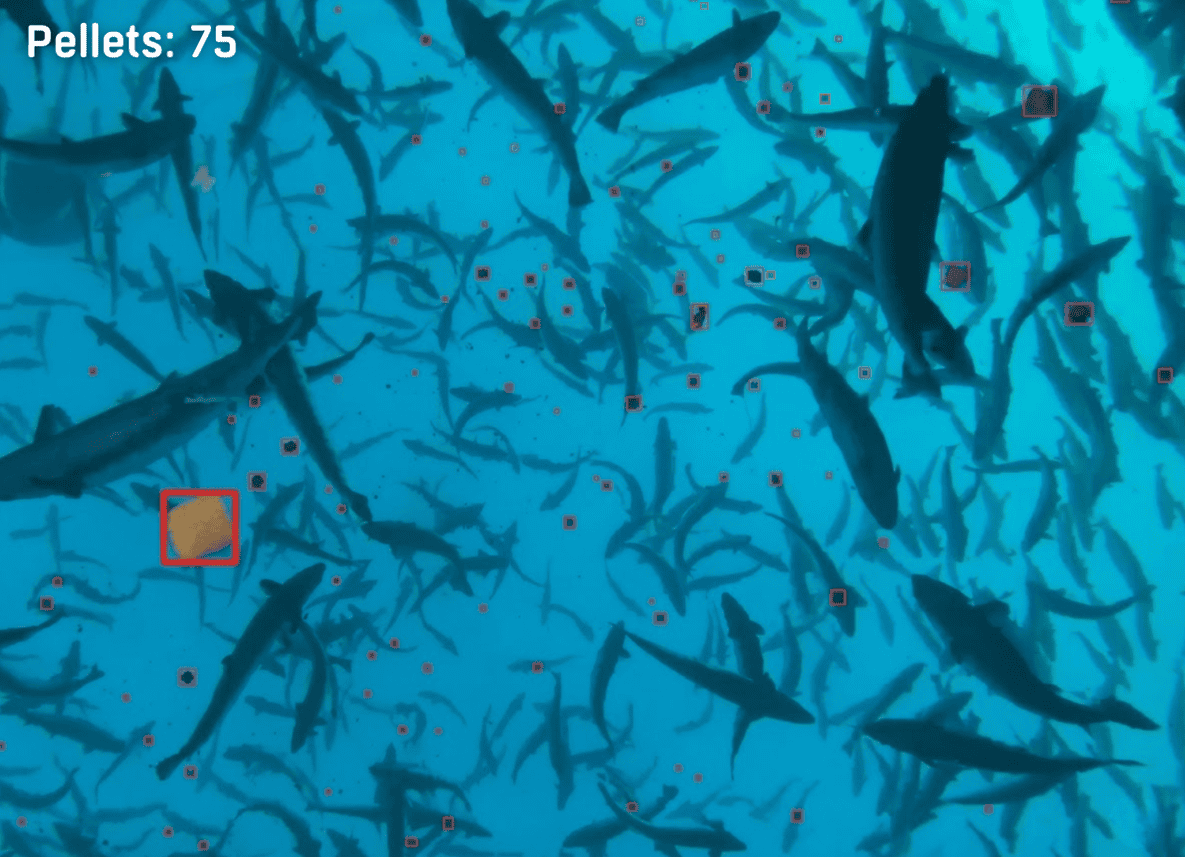
OptoScale has a 180° feeding camera with precise pellet detection.
From analysis to the cage
Venås has worked closely with both data and production in the aquaculture industry, building strong insight into how technology can support decisions in daily operations.
At OptoScale, she will help strengthen the company’s focus on feeding-related solutions – an area where OptoScale already has large amounts of real-time data from cages.
OptoScale’s cameras continuously collect information about fish development and condition in the cage. When this insight is connected more closely to feeding, it creates a new understanding of what is actually happening in the cage during feeding.
More precision in decision-making
For farmers, feeding is largely about finding the right balance: enough feed for good growth – but without unnecessary waste or poor feed utilisation.
With better insight into how the fish respond to feed, it also becomes easier to adjust along the way.
“What makes this exciting is the connection between the biology in the cage and the decisions made at the cage. When you get better insight into how the fish are actually responding to feed, it becomes easier to adjust the strategy there and then,” says Venås.
An area with major potential
Feeding has been an important focus area for OptoScale for some time, and with Venås joining the team, this focus is strengthened further.
“Feeding is an area where small improvements can have a major impact on production. With more precise data and more objective insight, farmers can use resources more efficiently and achieve better feed utilisation,” says Audhild, Product Manager at OptoScale.
Over several years, the company has collected large amounts of data from fish farms in Norway and internationally, and continuously works to make this insight more accessible and useful for farmers.
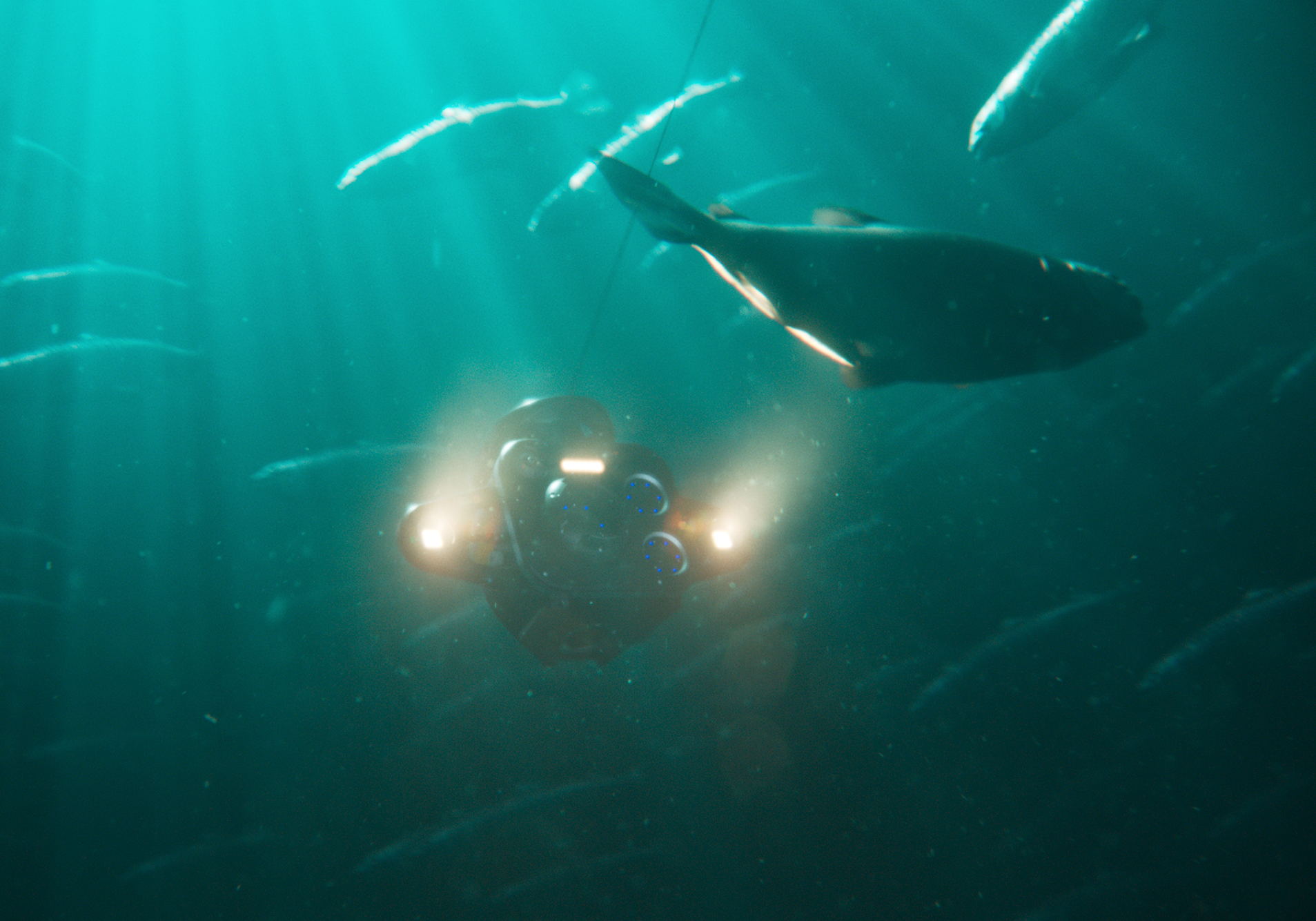
OptoScale’s latest 3.0 camera measures health, behaviour, lice, weight – and now also feeding.
A more complete solution in the cage
Sigrid has worked with feeding in the aquaculture industry for many years, both operationally and analytically. She has a strong understanding of what is actually happening in the cage during feeding, and how technology can support the decisions made at the cage, says Product Manager Audhild at OptoScale.
“We already deliver highly precise data on weight and weight development. When feeding work can be connected more closely to this insight, farmers gain an even better decision basis in the cage,” she says.
Audhild also points out that OptoScale aims to bring more functions together in one solution.
“When feeding, lice counting and weight monitoring are gathered in one unit, we reduce both complexity and the number of installations in the cage. That means less equipment to maintain, simpler operations for farmers – and fewer physical barriers for the fish.”

